



Upwork Alternative for UX Design
Upwork runs on proposals: you buy Connects to bid, a service fee comes out of what you earn, and hourly work is measured by a tracker rather than by what you hand over. Zinn Hub® is listing-led — buyers order a published UX Zinn® at its stated scope, Zinners pay 0% commission on their first $500, and payouts are released at checkout.
Browse Verified Zinners →Why Look for an Upwork Alternative for UX Design?
UX design is one of the most frequently hired disciplines on the large freelancing platforms, and Upwork is one of the main places it gets hired. It is a serious platform: hourly contracts with time tracking, fixed-price work paid against milestones in escrow, and clients who arrive with a product and a deadline. The question here is narrower — whether a proposal-led, hourly-tracked model fits a craft whose value sits in judgement rather than in hours logged. That is the case for an Upwork alternative for UX design.
Three frictions come up repeatedly. Bidding asks a designer to spend Connects before any research has been commissioned, so quoting costs most in exactly the months when work is thin. A service fee on the designer's side plus charges on the client side widen the gap between what a client pays and what a designer banks, and the money then waits out a security period. And hourly tracking rewards time at a keyboard, a poor proxy for the work that moves a product — a card sort, a usability session, an hour spent simplifying an information architecture.
Zinn Hub answers those points with a different model, not a better version of the same one. There are no proposal credits: a buyer orders a published Zinn at its stated scope and price, or posts a brief for free. Zinners pay 0% commission on their first $500, their share is released at checkout, and buyers pay no platform fee. Browse graphics and design, programming and tech, digital marketing or writing and translation to see how designers position their work.
0%
Commission on the first $500
Checkout
When the Zinner®'s share is released
100+
Payment methods
46
Site languages
4.9
Average rating from 39,000+ verified-purchase reviews
Five Frictions UX Designers Describe
These are differences in model, not accusations. Each is a design decision that suits some designers and not others.
Paying to Quote
Connects are spent on proposals, not on won work. A considered response to a research brief costs credits whether or not anyone reads it.
The Clock as a Proxy
Tracked hours measure screen time. UX value often lands in one whiteboard hour or one usability session, which a tracker cannot tell from idle time.
Earned but Not Available
A security period sits between an approved milestone and a withdrawal. For a solo designer paying for research incentives or tooling, money that cannot move is a constraint.
Badges Reward Tenure
Badge tiers are earned through sustained activity on one platform. Fair to long-serving members, but a new profile starts at the bottom whatever the portfolio says.
Scope Argued, Never Published
Every engagement starts from a blank brief, so the same conversation — how many screens, how many rounds — is re-run with each client instead of written down once.
Is Upwork Good for UX Design Work?
Yes, for a particular shape of engagement. If you are embedded in a product team for months, working through a backlog, an hourly contract with tracked time is exactly the instrument a client's finance team wants to approve.
It fits less well when the work is a defined artefact — an audit, a wireframe set, a design-system tidy-up, a round of usability testing — that can be described in a paragraph and priced once, or when fees and payout timing decide whether a small job is worth taking. That is where a second platform earns its place. Read the broader Upwork alternative overview or the Zinn Hub vs Upwork comparison.
Zinn Hub vs Upwork for UX Design — the Model Difference
Two marketplaces, two designs. Neither is universally better; they suit different designers.
| How it works | Zinn Hub | Upwork |
|---|---|---|
| Reaching a client | ✓ Publish a UX Zinn, buyers order it | ~ Proposals, bid using Connects |
| Designer commission | ✓ 0% on the first $500 in sales | ~ Service fee on earnings |
| When the Zinner is paid | ✓ Their share is released at checkout | ~ After a security period |
| Buyer platform fee | ✓ None — listed price is the price | ~ Client-side charges apply |
| Zinnector®'s protection | ✓ Escrow until the order completes, refunds to the Zinn Wallet | ✓ Escrow on fixed-price milestones, plus disputes |
| Credibility signal | ✓ ID- and skill-verified Zinners | ✓ Badge tiers built on tenure |
| Long embedded product work | ~ Fixed-scope Zinns and posted briefs | ✓ Hourly contracts, time tracking |
| Existing client traffic | ~ Growing marketplace | ✓ Large established client base |
How UX Zinners Start on Zinn Hub
The setup is deliberately short, because nothing is spent before the first order arrives.
Verify Once
Complete ID and skill verification. That badge is what a first-time buyer reads instead of a tier.
Publish the Scope
List UX Zinns in US dollars with the artefacts named, or start with Micro Zinns between $5 and $20.
Deliver in Escrow
The buyer pays upfront, the order is held in escrow, and files, prototypes and messages stay in one thread.
Get Paid at Checkout
Your share is released at checkout — at 0% commission until you have passed $500 in sales.
Making UX Expertise Pay
Sell artefacts, not availability
Step off a bidding board and you stop selling hours: you start selling named outputs. A heuristic evaluation of a checkout flow with a written report. Twelve wireframes and one round of revision. A usability test with five participants and a findings summary. Each can be published once, priced once and ordered without a discovery call, which takes the proposal out of the process.
Write the scope so it cannot be argued
A published Zinn is a contract in miniature, so the specifics do the work: how many screens, how many flows, how many rounds, what the handoff file is, and what you need from the buyer before you start. A buyer who reads that and orders has already agreed to it. Our pricing page sets out how orders are charged; the refund policy covers undelivered work.
Let 46 languages do the distribution
Zinn Hub renders in 46 site languages, buyers can be messaged in 58, and prices show in any of 59 display currencies, so a listing written once in English reaches a product owner browsing in Spanish, German or Japanese. Write plain English, specifics first — deliverable, format, revision count, turnaround. That survives translation; jargon does not.
Price the whole chain, then stop discounting
Everything is quoted and settled in US dollars, and your share is released at checkout rather than after a security period, so the only wait left is whatever your payout method takes. Commission is 0% on your first $500 in sales, then tiered rates that fall as you sell: 20% for a new Zinner, as low as 7% on Agency Zinner. Build a rate on that and hold it.
Who Should Choose Which
An honest split. Most UX designers will recognise themselves in one column more than the other.
✅ Zinn Hub suits you if
- You would rather publish a defined piece of work than pay to submit proposals
- Early earnings matter — 0% commission on the first $500
- You want your share released at checkout, not after a security period
- Your best work is artefact-shaped: audits, wireframes, prototypes, testing
- You would rather be judged on verification and portfolio than on tenure
- Your clients want to pay by card, PayPal or cryptocurrency
💡 Upwork still suits you if
- You work embedded in a product team for months at a time
- Clients need an hourly contract with tracked time
- You rely on its large established client base
- You have already earned a badge tier worth protecting
- You are content with the fees and payout timing as they stand
Popular UX Design Services on Zinn Hub
The UX work buyers order most often, each with a scope that can be stated before anyone signs anything.
- UX audits and heuristic reviews — a written report against one named flow.
- Wireframes and prototypes — screen counts and revision rounds stated upfront.
- Usability testing — participant numbers, tasks and a findings write-up.
- Graphics and design — UI kits, design systems and visual polish.
- Programming and tech — front-end build-out once designs are signed off.
- Micro Zinns — fixed-price services from $5 to $20, useful for a single-screen review.
Related Platform Comparisons
Weighing up more than one option? These are the comparisons designers read next.
Fiverr Alternative UX Design
Packaged Gigs and seller levels against the same listing-led model. Read the Fiverr comparison →
Upwork Alternative Graphic Design
The same argument for visual and brand work. Read the graphic design page →
Upwork Alternative Web Design
Where UX ends and the build begins. Read the web design page →
Browse Design Services
Search the marketplace directly for the work you need done.
Start Selling UX Work Without Bidding
Publish your UX services in USD, pay 0% commission on your first $500, and take your share at checkout. Buyers pay no platform fee, and their payment is protected by escrow until the order completes.
Become a Zinner →Top Zinns ⚡
-
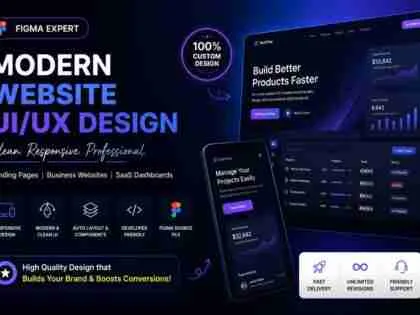
 Professional UI/UX Design for Landing page and Website; Web Apps (Figma Expert) Verified Zinner Level 1I design modern, high-converting website that are visually appealing and user-focused. Get a clean, professional design ready for development using Figma and…
 - create a custom framer website design for your business with a modern UI UX Verified Trusted Zinner Hot Zinner Zinner Level 4SOPHISTICATED FRAMER LANDING PAGE | The Web Maestro
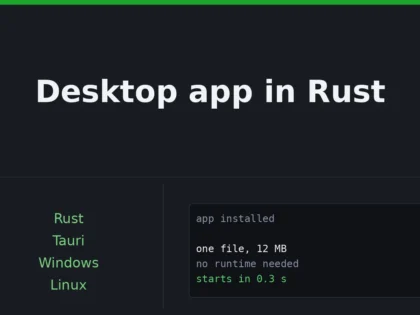
- I Will build a Lightweight Cross-Platform Desktop App in Rust and Tauri for Windows, macOS and Linux Verified Zinner Level 1A desktop application is the right answer when the work happens on the machine and not in a browser: files that never…
- I Will Troubleshoot Linux, Windows Server, and Cloud Infrastructure Issues Verified Zinner Level 1IT troubleshooting service resolves issues across diverse server software platforms, including Linux, Unix, and Microsoft Windows Server environments. I diagnose and fix…
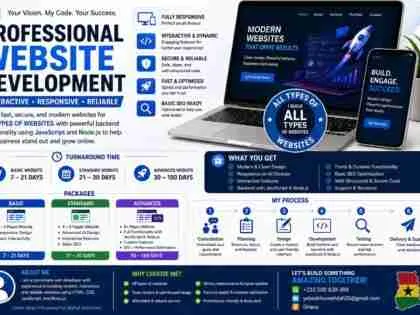
- I Will Build a Custom Website or Mobile App with PHP or React Native Verified Zinner Level 1I provide professional web and mobile app development services for businesses, startups, and individuals who need reliable digital solutions. I specialize in…
- I Will Build a Modern Bilingual Website — Urdu & English Verified Zinner Level 1Professional responsive bilingual website English & Urdu, mobile-friendly, SEO optimized, free revisions!
- I Will design, build, and optimize a high-converting Shopify store for your ecommerce business Verified Zinner Level 1Get a professional, mobile-responsive Shopify store designed to convert visitors into customers. Services include store setup, theme customization, product uploads, landing pages,…
- I Will build a custom Laravel web application with an admin panel and database integration. Verified Zinner Level 1I build complete Laravel websites with admin panels and database integration — clean code, fast delivery, free deployment included.
- I Will design high converting website UI in Figma for your business Verified Zinner Level 1I design modern, clean, and responsive website UI in Figma that helps businesses, startups, and SaaS brands create a professional online presence…
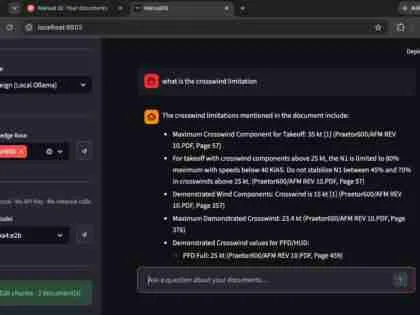
- I will build and deploy a hardened, fully offline RAG search engine on your private server or hardware. Verified Zinner Level 1I will deploy a secure, fully offline Retrieval-Augmented Generation (RAG) search engine on your local workstations or private servers. Your sensitive manuals,…
- Build an HVAC website that generates more calls and booked jobs Verified Zinner Level 1I will build a modern, SEO-optimized HVAC website designed to generate more calls, leads, and booked jobs for your heating and cooling…
- I will build a full-stack responsive website using HTML, CSS, JavaScript and Node.js Verified Zinner Level 1I create fast, interactive, and fully responsive websites using modern technologies like HTML, CSS, JAVASCRIPT and Node.js to help your business stand…








Explore More Upwork Alt: UX Design Options
Discover related marketplaces, locations, sell your services pages, and alternatives on Zinn Hub
Related Marketplaces
Browse Categories
Browse by Location
Sell Your Services
Other Upwork Alternatives
Show 50 more ▾
Similar Alternatives
Show 40 more ▾
Compare Platforms
Switch to Zinn Hub
Frequently Asked Questions
Upwork alternatives, scope and payouts for UX design work — answered plainly.
Upwork is a global freelancing platform built around job posts and proposals. A client describes a piece of work, designers submit proposals, and the two sides agree either an hourly contract tracked by the platform or a fixed-price contract paid against milestones held in escrow. Designers spend Connects, the platform's proposal credits, to bid, and Upwork takes a service fee from freelancer earnings while charging the client side separately. It is an established, widely used marketplace and a perfectly reasonable place to take on UX work.
Usually for three reasons, none of which say anything bad about the platform. Bidding asks you to spend Connects on a proposal before any research has been commissioned, so quoting costs most in the months when work is thin. A service fee on the designer's side plus charges on the client side widen the gap between what a client pays and what a designer banks, and earnings then wait out a security period. And hourly tracking measures screen time, an awkward proxy for a discipline where a good information architecture can be settled on paper in an afternoon.
It is a different model rather than a better version of the same one. Zinn Hub is listing-led: a buyer orders a published UX Zinn at its stated scope and price instead of designers bidding for a brief, and there are no proposal credits to buy. Zinners pay 0% commission on their first $500 in sales, the Zinner's share is released at checkout rather than after a security period, and buyers pay no platform fee. The buyer's payment is held in escrow until the order completes, an approved refund returns to their Zinn Wallet, and every Zinner is ID- and skill-verified. Upwork keeps its large established client base and its tracked hourly contracts.
Two routes. You can browse published UX Zinns and order one outright at the listed price, which suits a defined piece of work such as an audit, a wireframe set or a prototype. Or you can post a project brief for free and let verified Zinners respond with their own scope and pricing, which suits a larger redesign. Either way there is no buyer platform fee, so the listed price is what you pay, and the order is held in escrow until it completes. A Zinner's stated location is shown on their profile, so check that if working hours matter to you.
Pricing and settlement are in US dollars, and the Zinner's share of an order is released at checkout rather than after a security period. Commission is 0% on a Zinner's first $500 in sales, after which tiered rates apply: they start at 20% for a new Zinner and fall as low as 7% on the Agency Zinner tier. The buyer is protected on the other side of the same order: the payment sits in escrow until it completes, and an approved refund returns to their Zinn Wallet. Buyers can pay using more than 100 payment methods, including card, PayPal and cryptocurrency.
Name the artefacts and how many of them: how many screens, how many flows, how many rounds of revision, and whether the handoff is a working file, a clickable prototype or a written report. Say what already exists — analytics, an older design system, previous research — because reviewing something is a different job from inventing it. State the platform and the audience, and say who signs the work off. A brief written that way lets a Zinner publish or quote a fixed scope with confidence, which is exactly what removes the need for an hourly clock.