Table of Contents
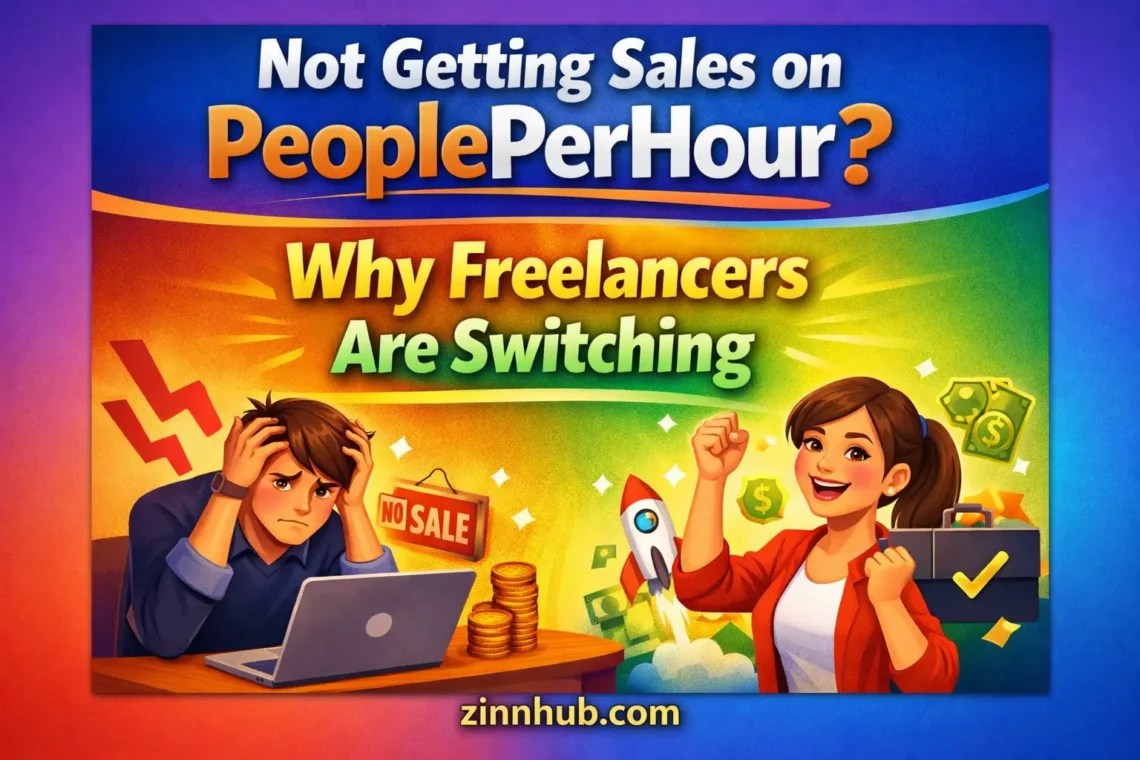
PeoplePerHour promises to connect freelancers with paying clients. But if you’ve been on the platform for months with minimal sales, you’ve probably noticed a frustrating pattern: the same established sellers dominate search results, your Hourlies get barely any views, and the proposals you send to posted projects disappear into a sea of competition.
You’re not imagining it. PeoplePerHour’s marketplace structure has real, systemic issues that make it difficult for new and mid-level sellers to gain traction. Understanding these issues helps you decide whether to keep pushing on PPH or invest your energy where it’s more likely to produce results.
Why PeoplePerHour Isn’t Working for You
The Algorithm Favouritism Problem
PPH’s search algorithm and “SuperStar” designation system creates a two-tier marketplace. SuperStar sellers — those with extensive project history, high ratings, and strong client relationships — dominate search results and featured positions. Everyone else competes for the remaining visibility.
If you don’t have SuperStar status, your Hourlies appear lower in search results, you’re less likely to appear in PPH’s recommendation emails, and clients filtering by reputation automatically exclude you. The path to SuperStar status requires completing multiple projects with excellent feedback — but getting those projects requires the visibility that SuperStar status provides.
Proposal Credits Are a Tax on New Sellers
PeoplePerHour limits the number of proposals you can send, requiring credits for each one. New sellers get a modest allocation and need to purchase more to actively bid on projects. This creates a pay-to-play dynamic where you’re spending money before earning any.
Combined with low win rates for new sellers, proposal credits become a recurring expense with diminishing returns. You’re essentially paying PPH for the privilege of being rejected by clients who prefer established sellers.
The UK-Centric Buyer Base
PPH’s buyer base is heavily concentrated in the UK. While this is an advantage for UK-based freelancers who can emphasise local expertise, it limits the total addressable market compared to global platforms. If your services target international clients, PPH’s buyer pool may be too small to generate consistent work.
Communication Restrictions
PPH’s message filtering system is aggressive about blocking anything that looks like off-platform communication. This is understandable from a platform perspective, but it creates real friction when you’re trying to discuss project details with potential clients. Legitimate messages get flagged, links get blocked, and the communication limitations can prevent you from demonstrating your expertise during the pre-purchase conversation.
Limited Service Categories
PPH’s category structure is narrower than larger platforms, which means fewer buyers browsing your specific service area. If you offer niche services, the pool of potential clients on PPH may simply be too small to generate regular work.
What PPH Tells You vs Reality
PPH’s advice to struggling sellers typically includes: improve your Hourlies, respond to proposals faster, keep your availability up to date, and be patient. Sound familiar?
This advice isn’t wrong — but it treats the symptoms while ignoring the cause. The cause is a marketplace structure that concentrates visibility among top-tier sellers and leaves everyone else competing for a diminishing share of buyer attention.
No amount of Hourlie optimisation will overcome an algorithm that ranks you below 200 other sellers in the same category. The maths doesn’t work.
Signs It’s Time to Try a Different Platform
- You’ve been on PPH for 3+ months with fewer than 5 completed projects
- Your Hourlies get minimal impressions despite regular optimisation
- You’re spending more on proposal credits than you’re earning in project fees
- Most of your proposals go unanswered or are declined in favour of SuperStar sellers
- You can’t charge rates that make freelancing financially sustainable
If several of these apply, continuing on PPH alone is unlikely to produce different results. The platform’s structural dynamics don’t change based on individual effort — they’re built into the system.
What a Better Marketplace Looks Like
Zinn Hub was designed from the ground up to solve the visibility and fairness problems that plague platforms like PeoplePerHour. Here’s what makes it different:
Equal Visibility Through Rotation
Zinn Hub’s recommendation email system works on rotation — every seller gets included in buyer-facing emails, regardless of their account age, review count, or sales history. There’s no SuperStar tier that monopolises visibility. New sellers and experienced sellers both appear in front of active buyers.
Service Listings, Not Bidding Wars
Instead of writing proposals and competing against other freelancers for each job, you create service listings once. Buyers browse service categories, marketplace pages, and location-specific pages to find and purchase services directly. Your listing works for you 24/7 without requiring constant proposal writing.
AI-Powered Service Creation
The Zinn Creation Wizard analyses your listing as you build it, providing AI-powered suggestions for improving your title, description, pricing, and images. This is especially valuable for sellers transitioning from PPH who need to adapt their Hourlies into a format that converts on a new platform.
Cryptocurrency Payments
PeoplePerHour only accepts card payments. Zinn Hub supports USDT, USDC, and other cryptocurrencies alongside Stripe and PayPal — opening you to buyers who prefer crypto and eliminating the high fees associated with international card transactions.
Global Buyer Base
While PPH is UK-centric, Zinn Hub serves a worldwide buyer base. Your services are discoverable by buyers across every country and region through dedicated location pages and a global search system.
Better Seller Tools
- AI Image Generator — Professional listing visuals without additional cost
- Video Call Platform — Built-in video calling for consulting, coaching, and tutoring services
- Income Calculator — Understand what to charge to meet your earnings targets
- Earnings Planner — Map out your freelance income growth realistically
Making the Move from PPH to Zinn Hub
- Create your free Zinn Hub account — No membership fees, no proposal credits to buy
- Migrate your PPH listings for free — Zinn Hub’s migration service transfers your Hourlies, reviews, and FAQs so you don’t start from scratch
- Build optimised listings — Use the AI creation wizard and browse sell-services guides for your specific skill area
- Set professional pricing — Use the income calculator to price based on your value, not on what PPH’s bidding pressure forces you to charge
- Get featured in buyer recommendations — Your services start appearing in rotation-based emails from day one
You don’t have to close your PPH account. Many freelancers maintain both while building their Zinn Hub presence. Once you’re getting regular orders on a platform that treats you fairly, you can decide how to allocate your time.
The Difference Fair Visibility Makes
The single biggest change freelancers report after switching from PPH to Zinn Hub is the feeling of actually being seen. After months of minimal Hourlie views and ignored proposals on PeoplePerHour, appearing in buyer recommendation emails and receiving genuine profile views changes your entire perspective on freelancing.
Fair visibility doesn’t guarantee instant success — you still need quality services, competitive pricing, and professional delivery. But it gives you the foundation that PPH’s algorithm-driven system denies to most sellers: a genuine opportunity to be found by buyers who need what you offer.
Stop Waiting for PPH’s Algorithm to Find You
Join Zinn Hub for free today and take control of your freelance visibility. For a detailed platform comparison, see our Zinn Hub vs PeoplePerHour breakdown or follow the step-by-step guide to switching from PPH.
If your PPH account has been suspended, check our guide on what to do when you’re banned from PeoplePerHour. For the broader picture of why freelancers are leaving traditional platforms, read our roundup on why freelancers are leaving Fiverr and Upwork.