



ទីផ្សារសេវាកម្មរួមបញ្ចូល API
ទិញ សេវាកម្មរួមបញ្ចូល API ពីអ្នកជំនាញដែលបានផ្ទៀងផ្ទាត់
ទីផ្សារដែលប្រតិបត្តិការនាំមុខ ស្ថាបនិក និងក្រុមផលិតផលជួលអ្នកឯកទេសផ្នែករួមបញ្ចូល។ ការភ្ជាប់ CRM ទៅប្រព័ន្ធចេញវិក្កយបត្រ ការបង្កើត និងប្រើប្រាស់ REST ឬ GraphQL endpoints ការគ្រប់គ្រង webhook ជាមួយនឹងការប៉ុនប៉ងឡើងវិញ វិបផតថលទូទាត់ និងដឹកជញ្ជូន និងស្វ័យប្រវត្តិកម្មគ្មានកូដនៅក្នុង Zapier, Make ឬ n8n — កំណត់តម្លៃជា USD ដោយគ្មានថ្លៃសេវាវេទិកាអ្នកទិញ។
សេវាកម្មរួមបញ្ចូល API ដែលមាន
ការប្រើប្រាស់ API ភាគីទីបី
ការភ្ជាប់ផលិតផល ឬការិយាល័យខាងក្រោយរបស់អ្នកទៅសេវាកម្មរបស់អ្នកដទៃ៖ ការផ្ទៀងផ្ទាត់ ការកំណត់ទំព័រ ការគ្រប់គ្រងដែនកំណត់អត្រា ការប៉ុនប៉ងឡើងវិញជាមួយនឹងការបិទ និងការកំណត់វាលរបស់ពួកគេទៅលើរបស់អ្នក។ នេះគឺជាការងាររួមបញ្ចូលដ៏សំខាន់។
ការបង្កើត និងការកត់ត្រា API ផ្ទាល់ខ្លួនរបស់អ្នក
REST ឬ GraphQL endpoints សម្រាប់ទិន្នន័យផ្ទាល់ខ្លួនរបស់អ្នក ជាមួយនឹងការកំណត់កំណែ ការផ្ទៀងផ្ទាត់ ការកំណត់ទំព័រ និងឯកសារ OpenAPI ឬ schema ដែលដៃគូអាចបង្កើតបានដោយមិនចាំបាច់ផ្ញើអ៊ីមែលទៅអ្នកជារៀងរាល់ថ្ងៃ។
អ្នកទទួល Webhook ដែលបានធ្វើបានត្រឹមត្រូវ
endpoint ដែលផ្ទៀងផ្ទាត់ហត្ថលេខា ឆ្លើយតបលឿន ដាក់ការងារក្នុងជួរ និងគ្រប់គ្រងការចែកចាយដែលស្ទួន និងមិនមានលំដាប់ដោយឯករាជ្យ។ វាក៏មានផ្លូវប៉ុនប៉ងឡើងវិញ និង dead-letter ផងដែរ ពីព្រោះអ្នកផ្តល់សេវាពិតជាផ្ញើឡើងវិញ។
ការធ្វើសមកាលកម្មប្រព័ន្ធទៅប្រព័ន្ធ
ការរក្សាប្រព័ន្ធពីរឱ្យយល់ស្របអំពីកំណត់ត្រាដូចគ្នា — CRM ទៅការចេញវិក្កយបត្រ ហាងទៅគណនេយ្យ ជំនួយទៅមូលដ្ឋានទិន្នន័យ។ ផ្នែកពិបាកគឺច្បាប់ជម្លោះ និងការធ្វើសមកាលកម្មបន្តិចម្តងៗ មិនមែនការហៅ HTTP នោះទេ។
វិបផតថលទូទាត់ ការដឹកជញ្ជូន និងពន្ធ
ការរួមបញ្ចូលវិបផតថលជាមួយនឹងផ្នែកដែលពិបាកៗត្រូវបានគ្របដណ្តប់៖ ការធ្វើតេស្ត sandbox ផ្លូវបរាជ័យ និងការសងប្រាក់វិញ ការគ្រប់គ្រងរូបិយប័ណ្ណ និងការផ្សះផ្សាដើម្បីឱ្យលេខនៅក្នុងប្រព័ន្ធនីមួយៗអាចផ្គូផ្គងគ្នាបាន។
ស្វ័យប្រវត្តិកម្មគ្មានកូដ និង Middleware
លំហូរការងារ Zapier, Make និង n8n សម្រាប់ការតភ្ជាប់ដែលមិនសមហេតុផលសម្រាប់កូដផ្ទាល់ខ្លួន បូកនឹងស្គ្រីបបំប្លែងតូចៗដែលស្ថិតនៅចន្លោះឧបករណ៍ពីរដែលស្ទើរតែសមគ្នា។
អ្នកណាខ្លះទិញការងាររួមបញ្ចូល API
អ្វីដែលត្រូវរកមើលនៅក្នុងអ្នកឯកទេសផ្នែករួមបញ្ចូល
ការរួមបញ្ចូលគ្នាបរាជ័យក្នុងករណីគែម មិនមែនផ្លូវរីករាយនោះទេ
ស្ទើរតែគ្រប់អ្នកអភិវឌ្ឍន៍ទាំងអស់អាចធ្វើឱ្យប្រព័ន្ធពីរនិយាយគ្នាបានម្តង។ ការងារដែលបំបែកការរួមបញ្ចូលគ្នាដែលអ្នកបំភ្លេចចោលពីការរួមបញ្ចូលគ្នាដែលបង្កើតឧប្បត្តិហេតុប្រចាំសប្តាហ៍គឺអ្វីៗទាំងអស់ដែលនៅជុំវិញការហៅនោះ៖ អ្វីដែលកើតឡើងនៅពេលដែលអ្នកផ្តល់សេវាចុះក្រោម នៅពេលដែល webhook មកដល់ពីរដង នៅពេលដែលកំណត់ត្រាត្រូវបានកែសម្រួលនៅក្នុងប្រព័ន្ធទាំងពីរចាប់តាំងពីការធ្វើសមកាលកម្មចុងក្រោយ នៅពេលដែលដែនកំណត់អត្រាត្រូវបានឈានដល់ពាក់កណ្តាលបាច់ នៅពេលដែលវាលដែលត្រូវការទទេ។ ករណីទាំងនោះមានតម្លៃថោកក្នុងការរចនាសម្រាប់នៅពេលចាប់ផ្តើម និងមានតម្លៃថ្លៃក្នុងការកែប្រែបន្ទាប់ពីសប្តាហ៍អាក្រក់ដំបូង។
ការទិញការរួមបញ្ចូលគ្នាជាលទ្ធផលដែលបានកំណត់ — ការគូសផែនទីវាលដែលមានឈ្មោះ អាកប្បកិរិយាបរាជ័យដែលបានព្រមព្រៀង ការបង្ហាញ sandbox និងឯកសារប្រគល់ — ធ្វើឱ្យវាអាចត្រួតពិនិត្យបាន។ Zinn Hub រាយបញ្ជី API និងការរួមបញ្ចូលគ្នា Zinns ពី Zinners ដែលបានផ្ទៀងផ្ទាត់ ដែលមានតម្លៃជារូបិយប័ណ្ណ USD ដោយគ្មានថ្លៃវេទិកានៅខាងអ្នកទិញ។
ផ្គូផ្គងការងាររួមបញ្ចូលគ្នាជាមួយ ទីផ្សារស្វ័យប្រវត្តិកម្មគ្មានកូដ សម្រាប់ការតភ្ជាប់ដែលមិនត្រូវការកូដផ្ទាល់ខ្លួន ទីផ្សារស្វ័យប្រវត្តិកម្ម AI នៅពេលដែលគំរូមួយស្ថិតនៅក្នុងលំហូរការងារ ឬ ទីផ្សារ web scraping នៅពេលដែលប្រភពមួយមិនមាន API ទាល់តែសោះ។
🔥 លក្ខណៈពិសេស សេវាកម្មរួមបញ្ចូលគ្នា API
រកមើលការរួមបញ្ចូល API Zinns និង Zinners ដែលផ្តល់ជូនពួកគេ។ ប្រៀបធៀបវេទិកា ជង់ និងបញ្ជីតម្លៃតាមបញ្ជី ហើយត្រង Zinners តាមប្រភេទ ការវាយតម្លៃអប្បបរមា ឬប្រភេទ Zinner។
Zinns កំពូល ⚡
-
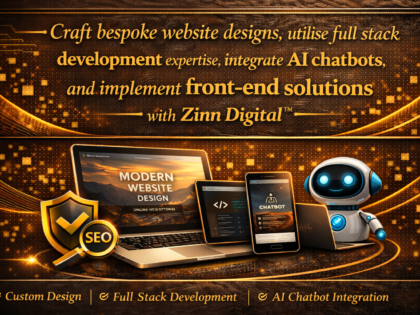
 ខ្ញុំនឹងបង្កើតគេហទំព័រឆ្លើយតបតាមតម្រូវការសម្រាប់អាជីវកម្មរបស់អ្នក បានផ្ទៀងផ្ទាត់ Zinner គួរឱ្យទុកចិត្ត Zinner ក្តៅ កម្រិត Zinner 4ទទួលបានគេហទំព័រផ្ទាល់ខ្លួនដែលបានបង្កើតប្រកបដោយវិជ្ជាជីវៈ ឆ្លើយតបពេញលេញ — ពីគេហទំព័រចុះចតមួយទំព័រស្អាត រហូតដល់ការបង្កើតពហុទំព័រពេញលេញជាមួយនឹងពាណិជ្ជកម្មអេឡិចត្រូនិក ការរួមបញ្ចូលការទូទាត់ និងការតភ្ជាប់ API ដែលបានចែកចាយទាន់ពេល។
 - ខ្ញុំនឹងបង្កើតកម្មវិធីគេហទំព័រ Full-Stack ឬគេហទំព័រ បានផ្ទៀងផ្ទាត់ Zinner គួរឱ្យទុកចិត្ត Zinner ក្តៅ កម្រិត Zinner 4ទទួលបានកម្មវិធីគេហទំព័រ ឬគេហទំព័រដែលឆ្លើយតប និងអាចពង្រីកបាន ដែលបង្កើតឡើងដោយអ្នកអភិវឌ្ឍន៍ full-stack ដែលមានបទពិសោធន៍ដោយប្រើ React, Next.js, Node.js, Laravel និងច្រើនទៀត — ផ្តល់ជូនយ៉ាងស្អាត រហ័ស និងត្រៀមរួចជាស្រេចដើម្បីដាក់ឱ្យដំណើរការ។
- ខ្ញុំនឹងបង្កើតគេហទំព័រ Full Stack ផ្ទាល់ខ្លួនរបស់អ្នកដោយប្រើ MERN បានផ្ទៀងផ្ទាត់ Zinner គួរឱ្យទុកចិត្ត Zinner ក្តៅ កម្រិត Zinner 4ទទួលបានគេហទំព័រដែលបានបង្កើតប្រកបដោយវិជ្ជាជីវៈ ដំណើរការពេញលេញដោយប្រើ React, Next.js, Node.js, និង MongoDB — បង្កើតឡើងតាមការរចនារបស់អ្នក ផ្តល់ជូនស្អាត រហ័ស និងត្រៀមខ្លួនជាស្រេចដើម្បីរីកចម្រើនជាមួយអាជីវកម្មរបស់អ្នក។
- ខ្ញុំនឹងបង្កើតកម្មវិធីគេហទំព័រ Full Stack ផ្ទាល់ខ្លួនសម្រាប់អ្នក បានផ្ទៀងផ្ទាត់ Zinner គួរឱ្យទុកចិត្ត Zinner ក្តៅ កម្រិត Zinner 4ពីគេហទំព័រទំព័រតែមួយដ៏ស្រស់ស្អាត រហូតដល់កម្មវិធីគេហទំព័រច្រើនទំព័រដែលមានមុខងារពេញលេញ — ទទួលបានកូដស្អាត អាចថែទាំបាន ការរចនាឆ្លើយតប ការបង្កើនប្រសិទ្ធភាពល្បឿន និងការរៀបចំការបង្ហោះដែលផ្តល់ជូនដោយអ្នកអភិវឌ្ឍន៍ full-stack ដែលមានបទពិសោធន៍។
- ខ្ញុំនឹងបង្កើតគេហទំព័រ Full Stack ផ្ទាល់ខ្លួនសម្រាប់អាជីវកម្មរបស់អ្នក បានផ្ទៀងផ្ទាត់ Zinner គួរឱ្យទុកចិត្ត Zinner ក្តៅ កម្រិត Zinner 4ទទួលបានគេហទំព័រផ្ទាល់ខ្លួនដែលមានជំនាញវិជ្ជាជីវៈ ដំណើរការពេញលេញដែលបង្កើតឡើងជាមួយ React.js ការរចនាឆ្លើយតប ការរួមបញ្ចូលការទូទាត់ ការបង្កើនប្រសិទ្ធភាពល្បឿន និងការដំឡើង hosting — សម្របតាមម៉ាកយីហោរបស់អ្នក និងត្រៀមខ្លួនជាស្រេចដើម្បីដាក់ឱ្យដំណើរការ។
- ខ្ញុំនឹងបង្កើតគេហទំព័រឆ្លើយតបតាមតម្រូវការជាមួយនឹងការរួមបញ្ចូល AI Chatbot បានផ្ទៀងផ្ទាត់ Zinner គួរឱ្យទុកចិត្ត Zinner ក្តៅ កម្រិត Zinner 4ទទួលបានគេហទំព័រដែលលឿន ងាយស្រួលប្រើ និងដំណើរការពេញលេញដែលបង្កើតឡើងដោយអ្នកអភិវឌ្ឍន៍ពេញលេញ — ជាមួយនឹងការរចនាឆ្លើយតប ការបង្ហោះមាតិកា ការដំឡើងម៉ាស៊ីនមេ និងការរួមបញ្ចូល AI chatbot ស្រេចចិត្តដើម្បីពង្រីកអាជីវកម្មរបស់អ្នកតាមអ៊ីនធឺណិត។
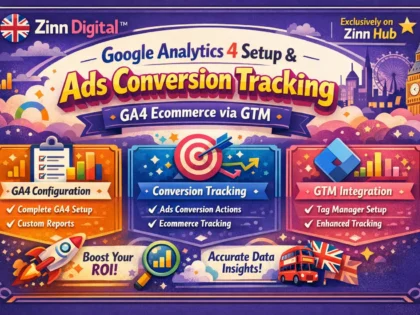
- ខ្ញុំនឹងរៀបចំ Google Ads Conversion Tracking, GA4 និង GTM បានផ្ទៀងផ្ទាត់ Zinner គួរឱ្យទុកចិត្ត Zinner ក្តៅ កម្រិត Zinner 4ឈប់ទាយ ហើយចាប់ផ្តើមដឹង។ ទទួលបាន Google Tag Manager, GA4 និង Google Ads conversion tracking setup ប្រកបដោយវិជ្ជាជីវៈ ដែលបំប្លែងទិន្នន័យគេហទំព័រឆៅទៅជាការយល់ដឹងច្បាស់លាស់ និងអាចអនុវត្តបាន — បង្កើតឡើងដោយអ្នកជំនាញវិភាគដែលមានការបញ្ជាក់ដែលមានមូលដ្ឋាននៅ London។
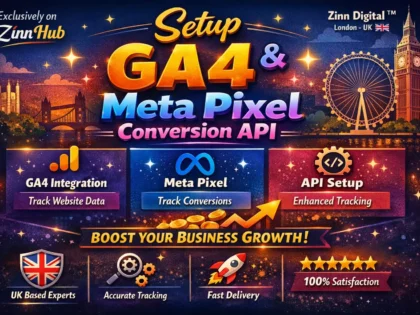
- ខ្ញុំនឹងដំឡើង GA4, Google Tag Manager និង Meta Pixel CAPI បានផ្ទៀងផ្ទាត់ Zinner គួរឱ្យទុកចិត្ត Zinner ក្តៅ កម្រិត Zinner 4ឈប់ចំណាយលើការផ្សាយពាណិជ្ជកម្មដោយគ្មានគោលដៅ។ ទទួលបានការរៀបចំ GA4 និង Facebook Pixel Conversion API ដែលស្អាត និងត្រឹមត្រូវ — បង្កើតឡើងដោយអ្នកជំនាញវិភាគគេហទំព័រដែលមានមូលដ្ឋាននៅទីក្រុង London ដែលមានបទពិសោធន៍តាមដានជាក់ស្តែងជាង 4 ឆ្នាំ។
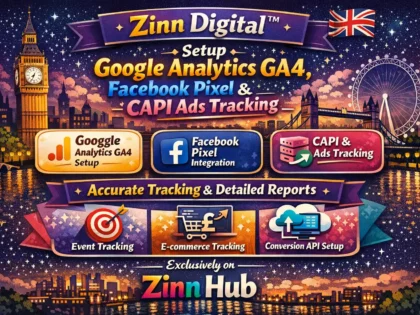
- ខ្ញុំនឹងដំឡើង GA4, Google Tag Manager & Facebook Pixel Tracking បានផ្ទៀងផ្ទាត់ Zinner គួរឱ្យទុកចិត្ត Zinner ក្តៅ កម្រិត Zinner 4ទទួលបានការវិភាគ និងការតាមដានការបំប្លែងដែលត្រឹមត្រូវ និងកំណត់រចនាសម្ព័ន្ធពេញលេញនៅទូទាំង GA4, Google Tag Manager, Facebook Pixel (CAPI) និង Google Ads — រៀបចំដោយអ្នកជំនាញដែលមានការបញ្ជាក់នៅទីក្រុង London ដែលមានបទពិសោធន៍ជាក់ស្តែងជាង 6 ឆ្នាំ។
- ខ្ញុំនឹងដំឡើង GA4, GTM & Ads Conversion Tracking បានផ្ទៀងផ្ទាត់ Zinner គួរឱ្យទុកចិត្ត Zinner ក្តៅ កម្រិត Zinner 4ទទួលបានការយល់ដឹងត្រឹមត្រូវ និងផ្អែកលើទិន្នន័យជាមួយនឹងការដំឡើង Google Analytics 4 និង Google Tag Manager ប្រកបដោយវិជ្ជាជីវៈ — រួមទាំងការតាមដានការបំប្លែង ការតាមដាន eCommerce និងព្រឹត្តិការណ៍ផ្ទាល់ខ្លួនដែលបានកែសម្រួលសម្រាប់គេហទំព័ររបស់អ្នក។
- ខ្ញុំនឹងបង្កើតកម្មវិធី AI, កម្មវិធីគេហទំព័រ ឬដំណោះស្រាយ SaaS របស់អ្នក បានផ្ទៀងផ្ទាត់ Zinner គួរឱ្យទុកចិត្ត Zinner ក្តៅ កម្រិត Zinner 4ទទួលបានកម្មវិធីដែលដំណើរការដោយ AI ពេញលេញដែលបង្កើតឡើងដោយក្រុមវិស្វករជាង 75 នាក់ដែលមានមូលដ្ឋាននៅទីក្រុងឡុងដ៍ — ពី chatbots និងកម្មវិធីបង្កើតរូបភាព រហូតដល់វេទិកា SaaS — ដែលផ្តល់ជូនជាមួយនឹងកូដស្អាត និងឯកសារប្រភពពេញលេញ។
- ខ្ញុំនឹងបង្កើត AI Web App ឬ Full-Stack Website របស់អ្នក បានផ្ទៀងផ្ទាត់ Zinner គួរឱ្យទុកចិត្ត Zinner ក្តៅ កម្រិត Zinner 4ទទួលបានកម្មវិធីគេហទំព័រដែលដំណើរការដោយ AI ដែលមានការឆ្លើយតប ដំណើរការពេញលេញ ឬគេហទំព័រ full-stack ដែលបង្កើតឡើងដោយបច្ចេកវិទ្យាទំនើបៗ — កូដស្អាត ការដាក់ពង្រាយគ្មានថ្នេរ និងការកែប្រែគ្មានដែនកំណត់ត្រូវបានរួមបញ្ចូល។
- ខ្ញុំនឹងបង្កើត AI Chatbots ភ្នាក់ងារ និងកម្មវិធីគេហទំព័រផ្ទាល់ខ្លួន បានផ្ទៀងផ្ទាត់ Zinner គួរឱ្យទុកចិត្ត Zinner ក្តៅ កម្រិត Zinner 4ទទួលបានការរួមបញ្ចូល AI ដែលត្រៀមរួចជាស្រេចសម្រាប់ការផលិត — chatbots, agents, ឬ LLM-powered web apps ដែលបង្កើតឡើងដោយស្ទូឌីយោអភិវឌ្ឍន៍ AI ដែលមានមូលដ្ឋាននៅទីក្រុងឡុងដ៍ ជាមួយនឹងកូដប្រភពពេញលេញដែលបានចែកចាយ។
- ខ្ញុំនឹងបង្កើតការរួមបញ្ចូល API AI ផ្ទាល់ខ្លួន និងភ្នាក់ងារក្នុង Python បានផ្ទៀងផ្ទាត់ Zinner គួរឱ្យទុកចិត្ត Zinner ក្តៅ កម្រិត Zinner 4ទទួលបានការរួមបញ្ចូល Python តាមតម្រូវការដែលភ្ជាប់ OpenAI, Claude, Gemini ឬវេទិកា AI ឈានមុខគេផ្សេងទៀតដោយផ្ទាល់ទៅក្នុងកម្មវិធី ទិន្នន័យ ឬលំហូរការងារដែលមានស្រាប់របស់អ្នក — បង្កើតឡើងសម្រាប់ទំហំ សុវត្ថិភាព និងផលប៉ះពាល់អាជីវកម្មពិតប្រាកដ។
- ខ្ញុំនឹងបង្កើត AI Chatbot ផ្ទាល់ខ្លួន ឬ Python Automation បានផ្ទៀងផ្ទាត់ Zinner គួរឱ្យទុកចិត្ត Zinner ក្តៅ កម្រិត Zinner 4ទទួលបាន AI chatbot ឬ Python automation ដែលដំណើរការពេញលេញដែលបង្កើតឡើងដោយក្រុមដែលមានមូលដ្ឋាននៅទីក្រុង London ដែលមានបទពិសោធន៍ជាងប្រាំឆ្នាំ — រួមបញ្ចូលទាំងកូដស្អាត ការរួមបញ្ចូល GPT និងការគាំទ្រផ្ទាល់ខ្លួន។
- ខ្ញុំនឹងបង្កើតគេហទំព័រ AI, កម្មវិធីគេហទំព័រ ឬកម្មវិធីទូរស័ព្ទរបស់អ្នក បានផ្ទៀងផ្ទាត់ Zinner គួរឱ្យទុកចិត្ត Zinner ក្តៅ កម្រិត Zinner 4ទទួលបានកម្មវិធីគេហទំព័រ ឬទូរស័ព្ទដែលដំណើរការដោយ AI ឆ្លាតវៃ និងអាចធ្វើមាត្រដ្ឋានបាន ដែលបង្កើតឡើងដោយអ្នកអភិវឌ្ឍន៍ full-stack ដែលមានបទពិសោធន៍ AI និងការរៀនម៉ាស៊ីន 5 ឆ្នាំ — ការដឹកជញ្ជូនលឿន កូដស្អាត និងការគាំទ្រក្រោយការដាក់ឱ្យដំណើរការ។
- ខ្ញុំនឹងបញ្ចូល Custom ChatGPT AI Chatbot ទៅក្នុងកម្មវិធី ឬគេហទំព័ររបស់អ្នក បានផ្ទៀងផ្ទាត់ Zinner គួរឱ្យទុកចិត្ត Zinner ក្តៅ កម្រិត Zinner 4ទទួលបាន chatbot AI ឆ្លាតវៃដែលបង្កើតឡើងតាមតម្រូវការដែលដំណើរការដោយ OpenAI រួមបញ្ចូលដោយផ្ទាល់ទៅក្នុងគេហទំព័រ ឬកម្មវិធីរបស់អ្នក — ស្វ័យប្រវត្តិកម្មការគាំទ្រ ការចាប់យកអតិថិជននាំមុខ និងការចូលរួមជាមួយអ្នកប្រើប្រាស់ពេញមួយថ្ងៃ។
- ខ្ញុំនឹងបង្កើតកម្មវិធីគេហទំព័រ AI, SaaS ឬ Chatbot របស់អ្នក បានផ្ទៀងផ្ទាត់ Zinner គួរឱ្យទុកចិត្ត Zinner ក្តៅ កម្រិត Zinner 4វិស្វករដែលមានមូលដ្ឋាននៅទីក្រុង London បង្កើតកម្មវិធីគេហទំព័រដែលដំណើរការដោយ AI ដំណោះស្រាយ SaaS ឬ chatbot របស់អ្នក — ពីករណីប្រើប្រាស់តែមួយដែលផ្តោតទៅលើផលិតផលដែលបានដាក់ពង្រាយពេញលេញជាមួយនឹងកូដប្រភពដែលបានរួមបញ្ចូល។
- ខ្ញុំនឹងបង្កើត AI Chatbot ឬកម្មវិធីទូរស័ព្ទដែលដំណើរការដោយ AI បានផ្ទៀងផ្ទាត់ Zinner គួរឱ្យទុកចិត្ត Zinner ក្តៅ កម្រិត Zinner 4ទទួលបាន chatbot AI ដែលដំណើរការពេញលេញ ឬកម្មវិធីទូរស័ព្ទដែលបង្កើតឡើងដោយអ្នកអភិវឌ្ឍន៍ដែលមានមូលដ្ឋាននៅទីក្រុង London — ជាមួយនឹងកូដប្រភព ការផ្ទៀងផ្ទាត់ និងការរួមបញ្ចូលគំរូ AI យ៉ាងរលូនដែលបានកែសម្រួលសម្រាប់អាជីវកម្មរបស់អ្នក។
- ការអភិវឌ្ឍកម្មវិធីទូរស័ព្ទ AI, AI chatbot, គេហទំព័រ AI, AI SaaS ដោយ Zinn Digital® បានផ្ទៀងផ្ទាត់ Zinner គួរឱ្យទុកចិត្ត Zinner ក្តៅ កម្រិត Zinner 4កម្មវិធីទូរស័ព្ទដែលដំណើរការដោយ AI ជាមួយនឹងមុខងារសំខាន់ៗ និងជំនួយការផ្ទាល់ខ្លួនសម្រាប់ iOS & Android | ផ្តល់អំណាចដល់គំនិតតាមរយៈបច្ចេកវិទ្យា












ស្វែងយល់ពី ទីផ្សាររួមបញ្ចូលគ្នា API ពេញលេញ
រកមើលសេវាកម្មរួមបញ្ចូលគ្នា ប្រភេទ អ្នកឯកទេស គម្រោងផ្ទាល់ និងការណែនាំពីទូទាំង Zinn Hub។
Zinns
- ខ្ញុំនឹងបង្កើតគេហទំព័រឆ្លើយតបតាមតម្រូវការសម្រាប់អាជីវកម្មរបស់អ្នក បានផ្ទៀងផ្ទាត់ Zinner គួរឱ្យទុកចិត្ត Zinner ក្តៅ កម្រិត Zinner 4ទទួលបានគេហទំព័រផ្ទាល់ខ្លួនដែលបានបង្កើតប្រកបដោយវិជ្ជាជីវៈ ឆ្លើយតបពេញលេញ — ពីគេហទំព័រចុះចតមួយទំព័រស្អាត រហូតដល់ការបង្កើតពហុទំព័រពេញលេញជាមួយនឹងពាណិជ្ជកម្មអេឡិចត្រូនិក ការរួមបញ្ចូលការទូទាត់ និងការតភ្ជាប់ API ដែលបានចែកចាយទាន់ពេល។
- ខ្ញុំនឹងបង្កើតកម្មវិធីគេហទំព័រ Full-Stack ឬគេហទំព័រ បានផ្ទៀងផ្ទាត់ Zinner គួរឱ្យទុកចិត្ត Zinner ក្តៅ កម្រិត Zinner 4ទទួលបានកម្មវិធីគេហទំព័រ ឬគេហទំព័រដែលឆ្លើយតប និងអាចពង្រីកបាន ដែលបង្កើតឡើងដោយអ្នកអភិវឌ្ឍន៍ full-stack ដែលមានបទពិសោធន៍ដោយប្រើ React, Next.js, Node.js, Laravel និងច្រើនទៀត — ផ្តល់ជូនយ៉ាងស្អាត រហ័ស និងត្រៀមរួចជាស្រេចដើម្បីដាក់ឱ្យដំណើរការ។
- ខ្ញុំនឹងបង្កើតគេហទំព័រ Full Stack ផ្ទាល់ខ្លួនរបស់អ្នកដោយប្រើ MERN បានផ្ទៀងផ្ទាត់ Zinner គួរឱ្យទុកចិត្ត Zinner ក្តៅ កម្រិត Zinner 4ទទួលបានគេហទំព័រដែលបានបង្កើតប្រកបដោយវិជ្ជាជីវៈ ដំណើរការពេញលេញដោយប្រើ React, Next.js, Node.js, និង MongoDB — បង្កើតឡើងតាមការរចនារបស់អ្នក ផ្តល់ជូនស្អាត រហ័ស និងត្រៀមខ្លួនជាស្រេចដើម្បីរីកចម្រើនជាមួយអាជីវកម្មរបស់អ្នក។
- ខ្ញុំនឹងបង្កើតកម្មវិធីគេហទំព័រ Full Stack ផ្ទាល់ខ្លួនសម្រាប់អ្នក បានផ្ទៀងផ្ទាត់ Zinner គួរឱ្យទុកចិត្ត Zinner ក្តៅ កម្រិត Zinner 4ពីគេហទំព័រទំព័រតែមួយដ៏ស្រស់ស្អាត រហូតដល់កម្មវិធីគេហទំព័រច្រើនទំព័រដែលមានមុខងារពេញលេញ — ទទួលបានកូដស្អាត អាចថែទាំបាន ការរចនាឆ្លើយតប ការបង្កើនប្រសិទ្ធភាពល្បឿន និងការរៀបចំការបង្ហោះដែលផ្តល់ជូនដោយអ្នកអភិវឌ្ឍន៍ full-stack ដែលមានបទពិសោធន៍។
ប្រភេទ Zinn
អ្នកឯករាជ្យ
- De Prudent បានផ្ទៀងផ្ទាត់ មានឥឡូវនេះ បានផ្ទៀងផ្ទាត់ កម្រិត Zinner 1អ្នកអភិវឌ្ឍន៍ Full-Stack · React · Next.js · Node.js · Laravel · Python · MySQL · Flutter
- អធិរាជហ្វីគី បានផ្ទៀងផ្ទាត់ មានឥឡូវនេះ បានផ្ទៀងផ្ទាត់ កម្រិត Zinner 1អ្នកជំនាញពាណិជ្ជកម្មអេឡិចត្រូនិក និងអ្នកទីផ្សារឌីជីថលដែលដំណើរការដោយ AI
- អ្នកសរសេរកូដម៉ឺនុយ បានផ្ទៀងផ្ទាត់ មានឥឡូវនេះ បានផ្ទៀងផ្ទាត់ កម្រិត Zinner 1អ្នកអភិវឌ្ឍន៍ Telegram Bot | អ្នកជំនាញផ្នែករួមបញ្ចូល API និងស្វ័យប្រវត្តិកម្ម


អ្នកលក់
- Rildwan បានផ្ទៀងផ្ទាត់ កម្រិត Zinner 2ជំរាបសួរ ខ្ញុំ Abdulsalam Rildwan ជាអ្នកឯកទេសទីផ្សារ Ecommerce ដែលផ្តោតលើលទ្ធផល ជួយម៉ាកយីហោរីកចម្រើនជាមួយនឹងយុទ្ធសាស្ត្រផ្អែកលើទិន្នន័យ។ ខ្ញុំមានជំនាញក្នុងការដំឡើងយុទ្ធនាការ Google Ads, Google Merchant Center, ការតាមដានការបំប្លែង GA4, TikTok Ads, ការដំឡើង TikTok Shop, Shopify CRO, ការរចនាគេហទំព័រ CBD ecommerce, និងការរួមបញ្ចូល Meta…
- De Prudent Studio បានផ្ទៀងផ្ទាត់ កម្រិត Zinner 1I'm Rasheed Ayomide, founder of De Prudent Studio — a full-stack development and design practice. I build production-ready web applications, SaaS platforms, mobile apps, e-commerce stores, and AI…
- ShopifybrainTeam បានផ្ទៀងផ្ទាត់ កម្រិត Zinner 1អតិថិជនជាទីគោរព, ប្រព័ន្ធ AI របស់អ្នកមិនមែនគ្រាន់តែជាបូតនោះទេ វាគឺជាម៉ាស៊ីនរកចំណូល 24/7។ ខ្ញុំបង្កើតវាឱ្យបានត្រឹមត្រូវតាំងពីដំបូង។ ប្រសិនបើអ្នកធ្លាប់ជួបប្រទះនឹង: ❌ Chatbots ដែលឈប់ឆ្លើយតបនៅពាក់កណ្តាលការសន្ទនា ❌ Workflows ដែលខូចនៅពេលអ្នកត្រូវការវាបំផុត ❌ ការដាក់ពង្រាយ VPS ដែលគាំងនៅម៉ោង 2 ព្រឹក ❌ ការរួមបញ្ចូល WhatsApp ឬ Telegram ដែលបោះកំហុស 403 ❌…
- អាឡិច បានផ្ទៀងផ្ទាត់ កម្រិត Zinner 1ដំណោះស្រាយស្វ័យប្រវត្តិកម្ម Shopify ដែលដំណើរការដោយ AI និងការគាំទ្រអតិថិជន ខ្ញុំជួយម្ចាស់ហាង Shopify និងអាជីវកម្មអនឡាញសន្សំពេលវេលា ធ្វើឱ្យប្រសើរឡើងនូវបទពិសោធន៍អតិថិជន និងសម្រួលប្រតិបត្តិការតាមរយៈដំណោះស្រាយដែលដំណើរការដោយ AI ផ្ទាល់ខ្លួន។ អ្វីដែលខ្ញុំផ្តល់ជូន AI Chatbots – ស្វ័យប្រវត្តិកម្មការគាំទ្រអតិថិជន និងសំណួរដែលសួរញឹកញាប់ជាមួយនឹងបូតឆ្លាតវៃ និងការសន្ទនា។ ការរួមបញ្ចូល Shopify – ការរៀបចំ និងការរួមបញ្ចូលយ៉ាងរលូនជាមួយហាងរបស់អ្នកសម្រាប់ប្រសិទ្ធភាពអតិបរមា។ ស្វ័យប្រវត្តិកម្មលំហូរការងារ – កាត់បន្ថយភារកិច្ចដដែលៗ និងការងារដោយដៃដោយប្រើស្គ្រីបស្វ័យប្រវត្តិកម្មផ្ទាល់ខ្លួន។…




អត្ថបទ
- ទីផ្សាររួមបញ្ចូល API
- ភ្នាក់ងារសំឡេង AI បានពន្យល់៖ អ្វីដែលអ្នកឯករាជ្យត្រូវដឹងអំពី VAPI, Retell & n8n តើភ្នាក់ងារសំឡេង AI ជាអ្វី? វេទិកាសំខាន់ៗដែលអ្នកត្រូវដឹង VAPI — អ្នកដឹកនាំឧស្សាហកម្ម Retell AI — ភាពសាមញ្ញ & ល្បឿន n8n — ឆ្អឹងខ្នងស្វ័យប្រវត្តិកម្ម ករណីប្រើប្រាស់ក្នុងពិភពពិតដែលអាជីវកម្មបង់ប្រាក់សម្រាប់ AI…
- ទីផ្សារ Vibe Coding ⚡ Vibe Coders & AI Builders ជួល Vibe Coders ដែលបានផ្ទៀងផ្ទាត់ ស្វែងរកអ្នកសរសេរកូដ Vibe ដែលបង្កើតកម្មវិធី, MVPs និងឧបករណ៍ខាងក្នុងយ៉ាងឆាប់រហ័សជាមួយនឹងការអភិវឌ្ឍន៍ដែលជួយដោយ AI — Cursor, Replit, Lovable, Bolt និង…
- ទីផ្សារ MLOps ⚙️ វិស្វករ MLOps & Deployment ជួលវិស្វករ MLOps ដែលបានផ្ទៀងផ្ទាត់ ស្វែងរកវិស្វករ MLOps ដែលយកគំរូការរៀនម៉ាស៊ីនរបស់អ្នកពីសៀវភៅកត់ត្រាទៅផលិតកម្ម — ការដាក់ពង្រាយ បំពង់បង្ហូរ ការត្រួតពិនិត្យ ការធ្វើមាត្រដ្ឋាន និងការបណ្តុះបណ្តាលឡើងវិញ ដែលបានបង្កើត…
ជំនួយ
ហេតុអ្វីបានជាទិញ ការរួមបញ្ចូល API នៅលើ Zinn Hub?
ការរួមបញ្ចូលត្រូវបានវិនិច្ឆ័យជាច្រើនខែបន្ទាប់ពីការចែកចាយ។ វេទិកានេះត្រូវបានបង្កើតឡើងដើម្បីឱ្យអ្នកអាចសាកល្បងពីរបៀបដែលនរណាម្នាក់ធ្វើការមុនពេលពួកគេប៉ះអ្វីដែលសំខាន់។
កំណត់វិសាលភាពដោយការតភ្ជាប់
Zinns ត្រូវបានរាយបញ្ជីដោយអ្វីដែលត្រូវបានភ្ជាប់ — គូវេទិកាដែលមានឈ្មោះ អ្នកទទួល webhook ច្រកផ្លូវ ការធ្វើសមកាលកម្ម — ដូច្នេះអ្នកអាចប្រៀបធៀបដូចគ្នាទៅនឹងដូចគ្នាជំនួសឱ្យការប្រៀបធៀបជីវប្រវត្តិអ្នកអភិវឌ្ឍន៍។
កូដ ឬគ្មានកូដ ជម្រើសរបស់អ្នក
ការតភ្ជាប់មួយចំនួនសមនឹងកូដផ្ទាល់ខ្លួន; ភាគច្រើនត្រូវបានបម្រើការបានល្អប្រសើរដោយ Zapier, Make ឬ n8n។ ទាំងពីរត្រូវបានរាយបញ្ជីនៅទីនេះ ដូច្នេះអ្នកអាចកំណត់តម្លៃវិធីសាស្រ្តទាំងពីរប្រឆាំងនឹងគ្នាទៅវិញទៅមកដោយស្មោះត្រង់។
Zinners ដែលបានផ្ទៀងផ្ទាត់
Zinners ត្រូវបានផ្ទៀងផ្ទាត់ដោយអត្តសញ្ញាណប័ណ្ណរូបថតដែលចេញដោយរដ្ឋាភិបាល និងភស្តុតាងនៃជំនាញ និងការងារកន្លងមករបស់ពួកគេ — ដែលសំខាន់ជាងនៅទីនេះជាងស្ទើរតែគ្រប់ទីកន្លែង ពីព្រោះការងាររួមបញ្ចូលត្រូវការការចូលប្រើប្រាស់។
ការទូទាត់ដែលការពារដោយវេទិកា
ជ្រើសរើស Zinner ដែលការពារដោយវេទិកា ហើយការទូទាត់របស់អ្នកត្រូវបានកាន់កាប់ដោយ Zinn Hub រហូតដល់ការបញ្ជាទិញបានបញ្ចប់។ ការបង្វិលសងត្រូវបានបញ្ចូលទៅក្នុង Zinn Wallet របស់អ្នកពេញលេញ ជា USD។
ការប្រគល់ជាលទ្ធផល
ស្នើសុំការកំណត់វាល ការកំណត់អត្តសញ្ញាណ និងសៀវភៅណែនាំខ្លីៗដែលជាផ្នែកមួយនៃការបញ្ជាទិញ។ ការរួមបញ្ចូលដែលគ្មាននរណាម្នាក់អាចថែរក្សាបាន គឺជាការទទួលខុសត្រូវដែលពាក់សំលៀកបំពាក់នៃទ្រព្យសកម្ម។
ការវាយតម្លៃពីការបញ្ជាទិញពិតប្រាកដ
ការវាយតម្លៃនៅលើ Zinn Hub តម្រូវឱ្យមានការទិញដែលបានបញ្ជាក់ ដូច្នេះមតិកែលម្អលើបញ្ជីការរួមបញ្ចូលបានមកពីអ្នកទិញដែលបានដំណើរការការងារនៅក្នុងប្រព័ន្ធរបស់ពួកគេ។
ចាប់ផ្តើមជាមួយចំណុចបញ្ចប់មួយ ទិសដៅមួយ
វិធីថោកបំផុតដើម្បីវិនិច្ឆ័យអ្នកឯកទេសរួមបញ្ចូលគ្នាគឺផ្តល់ឱ្យពួកគេនូវបំណែកដែលមានប្រយោជន៍តូចបំផុត — ចំណុចបញ្ចប់មួយ ទិសដៅមួយ នៅក្នុងប្រអប់ខ្សាច់ — ជា Micro Zinn តម្លៃថេរនៅ $5, $10, $15 ឬ $20។ អ្នករៀនពីរបៀបដែលពួកគេដាក់ឈ្មោះអ្វីៗ របៀបដែលពួកគេដោះស្រាយកំហុស និងរបៀបដែលពួកគេចងក្រងឯកសារ ដែលជាអ្វីដែលអ្នកកំពុងទិញពិតប្រាកដ។
រកមើល ប្រភេទ និងជំនាញការរួមបញ្ចូល API
ចូលទៅកាន់ប្រភេទ ឬជំនាញដែលត្រូវគ្នានឹងប្រព័ន្ធដែលអ្នកត្រូវការភ្ជាប់។
រកមើលប្រភេទ
🌍 ការរួមបញ្ចូលតាមវេទិកា
Zinn Hub មានជា 45ភាសាគេហទំព័រ ដូច្នេះអ្នកអាចណែនាំអ្នកអភិវឌ្ឍន៍ជាភាសាដែលអ្នកធ្វើការ។
ប្រើ Zinn Finder
វិធីមួយទៀតដើម្បីស្វែងរកទីផ្សារសម្រាប់ការរួមបញ្ចូលដែលអ្នកត្រូវការ
សាកល្បង Zinn Finderចាប់ផ្តើមជាមួយ Micro Zinn
ទិញចំណុចបញ្ចប់មួយក្នុងតម្លៃថេរ $5 ទៅ $20 មុនពេលកំណត់វិសាលភាពគម្រោងទាំងមូល
រកមើល Micro Zinnsឬបង្ហោះ គម្រោងការរួមបញ្ចូល API ដោយឥតគិតថ្លៃ
មិនប្រាកដថាត្រូវជ្រើសរើសអ្នកណា? បង្ហោះសេចក្តីសង្ខេបដែលពិពណ៌នាអំពីការតភ្ជាប់ — ការបញ្ជាទិញដែលហូរចេញពីហាងរបស់អ្នកទៅក្នុងកញ្ចប់គណនេយ្យរបស់អ្នកជារៀងរាល់យប់ អ្នកទទួល webhook ដែលនៅរស់រានមានជីវិតពីការដឹកជញ្ជូនស្ទួន ឬ REST API ដែលប្រឈមមុខនឹងដៃគូជាមួយនឹងឯកសារ — កំណត់ថវិការបស់អ្នកជា USD ហើយអនុញ្ញាតឱ្យ Zinners ដែលបានផ្ទៀងផ្ទាត់មករកអ្នកជាមួយនឹងសំណើ។ ការបង្ហោះគម្រោងគឺឥតគិតថ្លៃ ហើយអ្នកបង់ប្រាក់តែនៅពេលអ្នកទទួលយកមួយប៉ុណ្ណោះ។
ឬស្វែងយល់ដោយផ្ទាល់៖ គម្រោងស្វ័យប្រវត្តិកម្ម និងលំហូរការងារ · គម្រោងច្រកទ្វារទូទាត់ · អ្នកឯករាជ្យការរួមបញ្ចូល API · អ្នកឯករាជ្យការអភិវឌ្ឍន៍ API · គម្រោងទាំងអស់
របៀបទិញ ការរួមបញ្ចូលដែលបន្តដំណើរការ នៅលើ Zinn Hub
ប្រាំជំហានដែលបំបែកការរួមបញ្ចូលដែលអ្នកបំភ្លេចចោលពីការរួមបញ្ចូលដែលអ្នកប្រយុទ្ធ។
សរសេរការកំណត់វាលមុនពេលកូដ
រាយបញ្ជីរាល់វាលដែលផ្លាស់ទី ទីកន្លែងដែលវាបានមក ទីកន្លែងដែលវាចុះចត និងការបំប្លែងអ្វីដែលត្រូវអនុវត្ត។ សម្រេចចិត្តថាប្រព័ន្ធណាដែលមានសិទ្ធិអំណាចសម្រាប់វាលនីមួយៗ និងអ្វីដែលកើតឡើងនៅពេលដែលទាំងពីរបានផ្លាស់ប្តូរចាប់តាំងពីការធ្វើសមកាលកម្មចុងក្រោយ។ និយាយថា តម្លៃទទេគួរធ្វើអ្វី។ តារាងនេះគឺជាលក្ខណៈបច្ចេកទេសជាក់ស្តែង — អ្នកអភិវឌ្ឍន៍ដែលបានផ្តល់ឱ្យវានឹងបង្កើតអ្វីដែលត្រឹមត្រូវ ហើយអ្នកអភិវឌ្ឍន៍ដែលបានផ្តល់ឱ្យតែឈ្មោះវេទិកាពីរនឹងបង្កើតអ្វីដែលសមហេតុផលជំនួសវិញ។ ចាប់ផ្តើមពី ប្រភេទ API និងការរួមបញ្ចូល។
សម្រេចចិត្តដោយស្មោះត្រង់ថាតើប្រើកូដផ្ទាល់ខ្លួន ឬគ្មានកូដ
ប្រសិនបើបរិមាណមានកម្រិត លក្ខណៈវិនិច្ឆ័យសាមញ្ញ ហើយវេទិកាទាំងពីរមានឧបករណ៍ភ្ជាប់ នោះលំហូរការងារ Zapier, Make ឬ n8n នឹងដំណើរការក្នុងមួយថ្ងៃ ហើយអ្នកដែលមានសមត្ថភាពណាមួយអាចថែរក្សាវាបាន។ ប្រសិនបើអ្នកត្រូវការបរិមាណខ្ពស់ លក្ខខណ្ឌស្មុគស្មាញ ការគ្រប់គ្រងថ្លៃដើម ឬអ្វីដែលឧបករណ៍ភ្ជាប់មិនបង្ហាញ នោះកូដផ្ទាល់ខ្លួនមានតម្លៃថោកជាងក្នុងរយៈពេលមួយឆ្នាំ។ សុំយោបល់លើទាំងពីរ ហើយគួរតែសង្ស័យអ្នកឯកទេសដែលមិនដែលណែនាំជម្រើសសាមញ្ញជាងនេះ។ ទីផ្សារស្វ័យប្រវត្តិកម្មគ្មានកូដ គ្របដណ្តប់ផ្លូវដំបូង។
យល់ព្រមលើឥរិយាបថបរាជ័យដោយច្បាស់លាស់
សួរសំណួរចំនួនបួន ហើយសរសេរចម្លើយ។ តើមានអ្វីកើតឡើងនៅពេលដែលអ្នកផ្តល់សេវាត្រឡប់កំហុស — ព្យាយាមប៉ុន្មានដង ជាមួយនឹងការថយក្រោយបែបណា? តើមានអ្វីកើតឡើងនៅពេលដែល webhook ដូចគ្នាមកដល់ពីរដង? តើមានអ្វីកើតឡើងនៅពេលដែលដែនកំណត់អត្រាត្រូវបានឈានដល់ពាក់កណ្តាលបាច់? តើអ្នកណាដឹងថាមានអ្វីមួយបរាជ័យ ហើយដោយរបៀបណា? ការរួមបញ្ចូលដោយគ្មានចម្លើយចំពោះសំណួរទាំងនេះនឹងដំណើរការយ៉ាងល្អឥតខ្ចោះក្នុងការសាកល្បង ហើយបង្កើតអាថ៌កំបាំងក្នុងរយៈពេលមួយខែ។
សាកល្បងក្នុង Sandbox ជាមួយនឹងលិខិតសម្គាល់ដែលបានកំណត់
កុំអនុញ្ញាតឱ្យការដំណើរការដំបូងកើតឡើងប្រឆាំងនឹងការបញ្ជាទិញផ្ទាល់ ឬកំណត់ត្រាអតិថិជនផ្ទាល់។ ប្រើលិខិតសម្គាល់ sandbox ឬសាកល្បង បង្កើតច្បាប់ចម្លងទិន្នន័យរបស់អ្នក ហើយមើលវាដំណើរការពីដើមដល់ចប់។ ចេញសោដែលកំណត់ទៅការអនុញ្ញាតអប្បបរមាដែលការងារត្រូវការ រក្សាអាថ៌កំបាំងចេញពីកូដ និងរូបថតអេក្រង់ ហើយបង្វិលរាល់លិខិតសម្គាល់នៅពេលការងារបានបញ្ចប់។ ទិញចំណុចបញ្ចប់តែមួយជា API integration Micro Zinn ក្នុងតម្លៃ $5 ទៅ $20 ជាមុនសិន ប្រសិនបើអ្នកចង់ឃើញពីរបៀបដែលនរណាម្នាក់ដោះស្រាយរឿងទាំងអស់នេះ។
ទាមទារការប្រគល់ឱ្យ មិនមែនត្រឹមតែកូដប៉ុណ្ណោះទេ
សុំផែនទីវាលដែលបានបញ្ចប់ បញ្ជីរាល់លិខិតសម្គាល់ និងកន្លែងដែលវាស្ថិតនៅ កំណត់ចំណាំអំពីដែនកំណត់អត្រា និងកូតាដែលពាក់ព័ន្ធ ការណែនាំសម្រាប់ការដំណើរការវានៅក្នុងបរិស្ថានថ្មី និងផ្នែកខ្លីមួយអំពីអ្វីដែលត្រូវពិនិត្យនៅពេលមានអ្វីមួយមើលទៅខុស។ ការសរសេរកន្លះម៉ោងនៅចុងបញ្ចប់គឺជាភាពខុសគ្នារវាងទ្រព្យសកម្មដែលអាចថែរក្សាបាន និងការកសាងឡើងវិញនៅពេលក្រោយនៅពេលមានអ្វីផ្លាស់ប្តូរ។ workflow automation Micro Zinn គឺជាវិធីថោកមួយដើម្បីទិញការកែប្រែតូចៗតាមដាន។
ត្រៀមខ្លួនបញ្ឈប់ការចម្លងទិន្នន័យរវាងប្រព័ន្ធពីរដោយដៃហើយឬនៅ?
មើលសេវាកម្មទាំងអស់សំណួរដែលគេសួរញឹកញាប់អំពី ការរួមបញ្ចូល API
អ្វីគ្រប់យ៉ាងដែលអ្នកត្រូវដឹងអំពីការទិញការងាររួមបញ្ចូល។
នៅតែមានសំណួរ? ស្វែងរកអ្នកឯកទេសជាមួយ Zinn Finder។
មគ្គុទ្ទេសក៍ជាក់ស្តែងសម្រាប់ការទិញ ការរួមបញ្ចូល API
ការរួមបញ្ចូលគ្នាគឺជាផ្នែកដែលមិនសូវទាក់ទាញបំផុតនៅក្នុងថវិកាបច្ចេកវិទ្យាភាគច្រើន ហើយក៏ជាផ្នែកមួយដែលផ្ដល់ផលចំណេញខ្ពស់បំផុតផងដែរ។ រាល់ម៉ោងដែលនរណាម្នាក់ចំណាយពេលចម្លងកំណត់ត្រាពីប្រព័ន្ធមួយទៅប្រព័ន្ធមួយទៀត គឺជាម៉ោងដែលត្រូវចំណាយពីរដង ហើយរាល់ការចម្លងគឺជាឱកាសដែលប្រព័ន្ធទាំងពីរអាចមិនស៊ីគ្នា។ ការងារនេះកម្រនឹងពិបាកណាស់។ ការទិញវាឱ្យបានល្អភាគច្រើនគឺគ្រាន់តែពិពណ៌នាគោលដៅឱ្យបានច្បាស់លាស់ និងសម្រេចចិត្តជាមុនថា តើគួរធ្វើអ្វីនៅពេលមានបញ្ហា។
កំណត់វិសាលភាពតាមទិន្នន័យ មិនមែនតាមវេទិកា
ភ្ជាប់ហាងរបស់យើងទៅប្រព័ន្ធគណនេយ្យរបស់យើង មិនមែនជាលក្ខណៈបច្ចេកទេសទេ វាគ្រាន់តែជាបំណងប្រាថ្នាប៉ុណ្ណោះ។ កំណែដែលមានប្រយោជន៍គឺដាក់ឈ្មោះវត្ថុដែលផ្លាស់ទី ទិសដៅដែលវត្ថុនីមួយៗធ្វើដំណើរ ភាពញឹកញាប់ និងប្រព័ន្ធណាដែលមានសិទ្ធិអំណាចនៅពេលដែលវាមិនស៊ីគ្នា។ ការបញ្ជាទិញមួយផ្លូវរាល់យប់។ អតិថិជនមួយផ្លូវនៅពេលបង្កើតតែប៉ុណ្ណោះ។ កម្រិតស្តុកមួយផ្លូវទៀតក្នុងពេលជាក់ស្តែង ដោយឃ្លាំងជាអ្នកមានសិទ្ធិអំណាច។ នៅពេលដែលវាត្រូវបានសរសេរ ការប៉ាន់ស្មាននឹងមានន័យ ហើយការងារដែលបានបញ្ចប់អាចត្រួតពិនិត្យបាន។ បើគ្មានវា ភាគីនីមួយៗកំពុងស្រមៃគម្រោងផ្សេងគ្នា។
មួយផ្លូវ ពីរផ្លូវ និងបញ្ហាជម្លោះ
ការធ្វើសមកាលកម្មមួយផ្លូវគឺត្រង់ទៅត្រង់មក ហើយគួរតែជាលំនាំដើមរបស់អ្នកនៅកន្លែងណាដែលវាគ្រប់គ្រាន់។ ការធ្វើសមកាលកម្មពីរផ្លូវណែនាំសំណួរដ៏លំបាកមួយ៖ នៅពេលដែលកំណត់ត្រាបានផ្លាស់ប្តូរនៅក្នុងប្រព័ន្ធទាំងពីរចាប់តាំងពីការដំណើរការចុងក្រោយ តើការផ្លាស់ប្តូរមួយណាដែលនៅរស់រានមានជីវិត? ចម្លើយទូទៅគឺការសរសេរចុងក្រោយឈ្នះ អាទិភាពកម្រិតវាល ឬការសម្គាល់ជម្លោះសម្រាប់មនុស្ស។ គ្មានមួយណាត្រឹមត្រូវជាសកលទេ ហើយការជ្រើសរើសមួយគឺជាការសម្រេចចិត្តអាជីវកម្មជាជាងបច្ចេកទេស។ ធ្វើវាឱ្យច្បាស់លាស់។ ការធ្វើសមកាលកម្មពីរផ្លូវដែលបានបង្កើតឡើងដោយគ្មានច្បាប់ជម្លោះដែលបានបញ្ជាក់នឹងជ្រើសរើសមួយដោយស្ងៀមស្ងាត់ ហើយវាប្រហែលជាមិនមែនជាអ្វីដែលអ្នកបានជ្រើសរើសនោះទេ។
Webhooks សមនឹងទទួលបានការយកចិត្តទុកដាក់ច្រើនជាងអ្វីដែលពួកគេទទួលបាន
អ្នកទទួល webhook មើលទៅដូចជាចំណុចបញ្ចប់ដ៏តូចមួយ ហើយជាកន្លែងដែលឧប្បត្តិហេតុផលិតកម្មជាច្រើនកើតឡើងដោយមិននឹកស្មានដល់។ វាគួរតែផ្ទៀងផ្ទាត់ហត្ថលេខាដើម្បីឱ្យតែអ្នកផ្តល់សេវាពិតប្រាកដប៉ុណ្ណោះដែលអាចបង្កវាបាន។ វាគួរតែឆ្លើយតបយ៉ាងឆាប់រហ័ស និងដាក់ការងារជាក់ស្តែងក្នុងជួររង់ចាំ ពីព្រោះអ្នកផ្តល់សេវាអស់ពេល ហើយបន្ទាប់មកព្យាយាមម្តងទៀត ដែលបង្វែរដំណើរការយឺតទៅជាដំណើរការស្ទួន។ វាគួរតែអត់ធ្មត់ចំពោះព្រឹត្តិការណ៍ដូចគ្នាដែលមកដល់ពីរដង និងព្រឹត្តិការណ៍ដែលមកដល់មិនត្រឹមត្រូវ។ ហើយវាត្រូវការផ្លូវ dead-letter ដូច្នេះសារដែលមិនអាចដំណើរការបានគឺអាចមើលឃើញជាជាងបាត់បង់។ សួរអំពីទាំងបួនមុនពេលយល់ព្រមលើតម្លៃ។
ដែនកំណត់អត្រា ការដាក់ជាបាច់ និងថ្លៃដើម
អ្នកផ្តល់សេវាគ្រប់រូបកំណត់ចំនួនដងដែលអ្នកអាចហៅបាន។ ការប៉ះនឹងដែនកំណត់នោះបណ្តាលឱ្យមានកំហុស ហើយកំហុសក្នុងអំឡុងពេលមមាញឹកគឺជាវិធីដែលការរួមបញ្ចូលគ្នាដ៏មានប្រយោជន៍ក្លាយជាការដាច់។ ស្វែងរកដែនកំណត់ដែលបានចងក្រងជាឯកសារ ហើយសួរថាតើការរួមបញ្ចូលគ្នានេះរក្សាខ្លួនឯងនៅក្នុងដែនកំណត់ទាំងនោះដោយរបៀបណា — ការដាក់ជាបាច់ ការដាក់ក្នុងជួររង់ចាំ ការបន្ធូរបន្ថយ ឬគ្រាន់តែដំណើរការតិចញឹកញាប់។ កន្លែងដែលការហៅទូរសព្ទត្រូវបានវាស់វែង និងចេញវិក្កយបត្រ ការសន្ទនាដូចគ្នាគឺជាការសន្ទនាអំពីថ្លៃដើម៖ ការរចនាដែលមិនចេះខ្វល់ខ្វាយដែលទាញយកអ្វីៗទាំងអស់រៀងរាល់ម៉ោងអាចមានតម្លៃថ្លៃជាងច្រើនដងនៃអ្វីដែលទាញយកតែអ្វីដែលបានផ្លាស់ប្តូរប៉ុណ្ណោះ។ ការធ្វើសមកាលកម្មបន្ថែមជាធម្មតាគឺជាការសន្សំដ៏ធំបំផុតដែលមាន។
លទ្ធភាពសង្កេត ឬរបៀបដែលអ្នករកឃើញថាវាខូច
សន្មត់ថាការរួមបញ្ចូលគ្នានឹងបរាជ័យនៅចំណុចណាមួយ ហើយរចនាសម្រាប់ពេលដែលអ្នកត្រូវការយល់ពីមូលហេតុ។ នោះមានន័យថាបន្ទាត់កំណត់ហេតុក្នុងមួយប្រតិបត្តិការជាមួយនឹងអត្តសញ្ញាណប័ណ្ណដែលអ្នកអាចស្វែងរកបាន ការបែងចែកច្បាស់លាស់រវាងការបរាជ័យដែលអាចព្យាយាមម្តងទៀតបាន និងការបរាជ័យអចិន្ត្រៃយ៍ និងការជូនដំណឹងដល់មនុស្សនៅពេលដែលអត្រាបរាជ័យឆ្លងកាត់កម្រិតកំណត់។ វាក៏មានន័យថាជាវិធីមួយដើម្បីចាក់សារឡើងវិញនូវកំណត់ត្រាជាក់លាក់មួយបន្ទាប់ពីការជួសជុល ដូច្នេះការស្តារឡើងវិញពីឧប្បត្តិហេតុមិនមានន័យថាដំណើរការអ្វីៗទាំងអស់ឡើងវិញនោះទេ។ ទាំងនេះមានតម្លៃថោកក្នុងការបង្កើតនៅពេលចាប់ផ្តើម ហើយមានតម្លៃថ្លៃខ្លាំងក្នុងការបន្ថែមនៅពេលក្រោយ។
ការធ្វើតេស្តដោយមិនប៉ះទិន្នន័យផ្ទាល់
ប្រើប្រាស់ប្រអប់ខ្សាច់របស់អ្នកផ្តល់សេវាដែលមានស្រាប់ ហើយប្រសិនបើគ្មានទេ សូមបង្កើតកំណត់ត្រាសាកល្បងដែលអ្នកពេញចិត្តនឹងបំបែក។ បញ្ជាក់ផ្លូវទាំងមូលពីដើមដល់ចប់ មុនពេលប្តូរអ្វីៗពិតប្រាកដ ហើយរក្សាដំណើរការដោយដៃឱ្យដំណើរការស្របគ្នាសម្រាប់វដ្តដំបូង ដូច្នេះភាពខុសគ្នាអាចមើលឃើញជាជាងត្រូវបានរកឃើញដោយអតិថិជន។ សុំការបង្ហាញជាជាងរូបថតអេក្រង់។ សម្រាប់ការទូទាត់ ការបញ្ជាទិញ ឬទិន្នន័យអតិថិជន នេះមិនមែនជាការប្រុងប្រយ័ត្នទេ វាគឺជាអប្បបរមា — ការដំណើរការមិនល្អលើកដំបូងនៅក្នុងដែននោះមានតម្លៃថ្លៃជាងការរួមបញ្ចូលទៅទៀត។
ភាពជាម្ចាស់ ឯកសារ និងការធ្វើតេស្ត Bus
សំណួរដែលគួរតែសួរនៅទីបញ្ចប់គឺសាមញ្ញ៖ ប្រសិនបើមនុស្សនេះមិនអាចរកបាននៅថ្ងៃស្អែក តើមាននរណាម្នាក់ផ្សេងទៀតអាចបន្តដំណើរការវាបានទេ? នោះហើយជាមូលហេតុដែលការប្រគល់ការងារមានសារៈសំខាន់ជាងគុណភាពកូដ។ អ្នកចង់បានការកំណត់ផែនទីវាល បញ្ជីសម្ងាត់ ការណែនាំអំពីបរិស្ថាន ទីតាំងកំណត់ហេតុ និងកំណត់ចំណាំខ្លីៗអំពីការបរាជ័យដែលអាចកើតមាន។ កន្លែងដែលការងារស្ថិតនៅក្នុងវេទិកាគ្មានកូដ អ្នកចង់ឱ្យគណនីនោះជាកម្មសិទ្ធិរបស់អង្គការរបស់អ្នកជាជាងអ្នកឯករាជ្យ។ កន្លែងដែលវាជាកូដផ្ទាល់ខ្លួន អ្នកចង់ឱ្យវាស្ថិតនៅក្នុងឃ្លាំងរបស់អ្នកចាប់ពីការប្តេជ្ញាចិត្តដំបូង មិនមែនត្រូវបានផ្តល់ជាឯកសារ zip នៅទីបញ្ចប់នោះទេ។
ការចាប់ផ្តើមនៅលើ Zinn Hub
សរសេរការកំណត់ផែនទីវាល សម្រេចចិត្តមួយផ្លូវ ឬពីរផ្លូវ បន្ទាប់មកទិញផ្នែកតូចបំផុតដែលមានប្រយោជន៍ជា Micro Zinn តម្លៃថេរ ហើយមើលពីរបៀបដែលអ្នកឯកទេសធ្វើការ។ សាកល្បងនៅក្នុងប្រអប់ខ្សាច់ជាមួយនឹងសម្ងាត់ដែលបានកំណត់វិសាលភាព តម្រូវឱ្យមានការប្រគល់ការងារជាលទ្ធផល ហើយបន្ទាប់មកពង្រីកវិសាលភាព។ សម្រាប់កម្មវិធីធំជាងនេះ បង្ហោះគម្រោងឥតគិតថ្លៃ ដែលពិពណ៌នាអំពីប្រព័ន្ធ វត្ថុ និងអាកប្បកិរិយាបរាជ័យដែលអ្នករំពឹងទុក ហើយប្រៀបធៀបសំណើពី Zinners ដែលបានផ្ទៀងផ្ទាត់។ អ្នកអាចជួលដោយផ្ទាល់ពី បញ្ជីអ្នកឯករាជ្យការរួមបញ្ចូល API ភ្ជាប់ការតភ្ជាប់សាមញ្ញទៅ ទីផ្សារស្វ័យប្រវត្តិកម្មគ្មានកូដ ឬប្រើ ទីផ្សារការទាញយកទិន្នន័យគេហទំព័រ ដែលប្រភពមិនបោះពុម្ព API ទាល់តែសោះ។ លក់ការងារនេះជាជាងទិញវា? ចាប់ផ្តើមជាមួយនឹងការណែនាំរបស់យើងអំពី ការលក់សេវាកម្មស្វ័យប្រវត្តិកម្មគ្មានកូដ។
ត្រៀមខ្លួនរួចរាល់ហើយដើម្បីភ្ជាប់ប្រព័ន្ធរបស់អ្នកឱ្យបានត្រឹមត្រូវ?
មើលសេវាកម្មទាំងអស់